
DeFi Explained for UK Beginners: How to Profit Safely in 2025
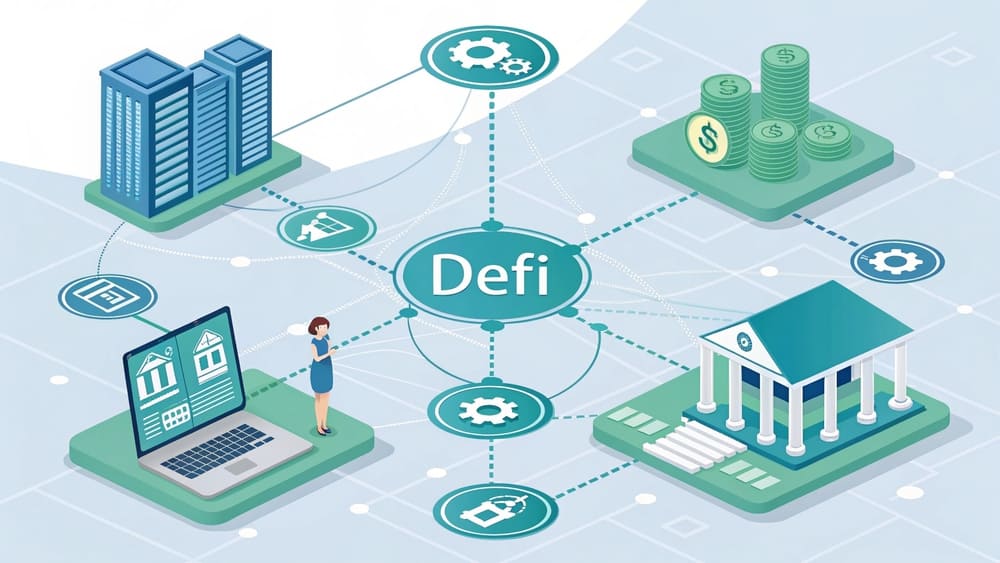
Decentralised Finance, or DeFi, is changing the way people manage and use money. Instead of relying on banks or middlemen, DeFi allows anyone to lend, borrow, and earn directly through blockchain networks. In the UK, more people are exploring this new financial system as they look for flexible and transparent alternatives to traditional finance.
DeFi works through smart contracts — self-executing agreements stored on the blockchain. These contracts remove the need for intermediaries and make transactions faster and cheaper. Over the last few years, DeFi platforms have grown rapidly, offering new opportunities for users to earn interest, trade digital assets, and provide liquidity.
Across the country, many defi projects in the UK are developing innovative tools for investors and crypto enthusiasts. From local startups to global platforms, the UK has become one of the most active hubs for decentralised finance in Europe. One platform supporting users in exploring digital investments is https://immediateconnect-gb.com/ — offering simple access to the evolving world of blockchain-based finance.
This guide explains what DeFi is, how it works, and — most importantly — how to use it safely in the UK. You’ll learn about liquidity pools, the latest uk defi updates, and best practices for protecting your funds. Whether you are new to crypto or already involved, understanding DeFi is key to staying ahead in the digital economy.
At its core, Decentralised Finance (DeFi) is a system that allows financial transactions without banks or brokers. It operates on blockchain networks such as Ethereum, where smart contracts automatically execute actions once certain conditions are met. This means that anyone with an internet connection can access financial services — from trading and saving to lending and borrowing — without needing permission from traditional institutions.
In simple terms, DeFi replaces middlemen with code. When you lend money in DeFi, a smart contract handles the process and ensures that you receive interest according to agreed rules. When you borrow, the same system automatically checks that you have provided enough collateral before releasing funds. It’s transparent, predictable, and accessible to everyone.
DeFi apps — often called decentralised applications (DApps) — work directly with digital wallets like MetaMask or Trust Wallet. This gives users complete control over their funds, reducing reliance on third parties. Popular examples include Uniswap for token trading, Aave for lending, and Curve for stablecoin swaps.
One of the most important elements of DeFi is the concept of liquidity pools. To put it simply, these are pools of cryptocurrencies locked into smart contracts that allow trading and lending to happen smoothly. Here’s a basic overview to make crypto liquidity pools explained uk in a clear way:
| Element | What It Does | Example |
|---|---|---|
| Liquidity Provider | Adds funds (crypto assets) to a pool to enable trading. | Depositing ETH and USDC into a Uniswap pool. |
| Trader | Uses the pool to swap one token for another without an exchange. | Swapping ETH for DAI directly through a DApp. |
| Smart Contract | Automatically manages prices, liquidity, and rewards. | Adjusts exchange rates based on demand and supply. |
Liquidity pools keep DeFi markets running smoothly, allowing users to trade anytime without waiting for a buyer or seller. In return, those who provide liquidity earn a share of transaction fees. However, it’s important to understand the risks, such as temporary price changes or “impermanent loss,” which can affect returns.
Understanding these fundamentals helps users see why DeFi is becoming a global movement. The next step is to look at how this revolution is unfolding in the UK and which defi projects in uk are leading the way.
The United Kingdom has quickly become one of Europe’s main hubs for defi projects in uk. With strong financial infrastructure, advanced technology, and growing investor interest, the country offers a fertile ground for blockchain innovation. Many British startups and developers are exploring how decentralised finance can improve access to money, lending, and investing.
Some UK-based projects are focused on building secure decentralised exchanges (DEXs) and lending platforms that comply with local rules. Others are creating analytics tools and blockchain networks designed to support both retail and institutional users. London, in particular, remains a major centre for fintech, hosting a growing number of events and hackathons dedicated to DeFi.
According to recent uk defi updates, several British universities, including the University of Warwick and Imperial College London, are conducting research into blockchain-based finance. Their studies aim to understand how DeFi can integrate with traditional markets while remaining secure and transparent.
In addition, the Financial Conduct Authority (FCA) is becoming more involved in regulating the crypto ecosystem. While the rules are still evolving, the government has shown interest in making the UK a safe environment for blockchain innovation. This balanced approach is helping the country position itself as a leader in responsible DeFi development.
As a result, both private investors and major institutions are beginning to explore DeFi opportunities. From yield-generating liquidity pools to tokenised investment products, the UK is on its way to becoming a bridge between traditional finance and decentralised systems.

Decentralised finance is made up of several interconnected parts that work together to replace traditional banking functions. Understanding these key components helps you see how defi projects in uk and around the world operate. Below are the main pillars that keep the DeFi ecosystem running.
DEXs allow users to trade cryptocurrencies directly from their wallets without using centralised exchanges like Binance or Coinbase. These platforms run on smart contracts and rely on liquidity pools instead of order books. Popular examples include Uniswap, SushiSwap, and Balancer. In the UK, many traders use these platforms to swap tokens and provide liquidity, taking advantage of their open and transparent design.
DeFi lending platforms enable users to lend their crypto assets and earn interest, while borrowers can use digital assets as collateral. Aave, MakerDAO, and Compound are leading examples. These services run automatically through smart contracts, removing the need for credit checks or banks. In the UK, users can participate in these systems safely by connecting regulated wallets and keeping track of uk defi updates for compliance guidance.
Yield farming is one of the most popular ways to earn passive income in DeFi. Users provide liquidity to a trading pair, such as ETH/USDT, and earn rewards from transaction fees or platform tokens. To make crypto liquidity pools explained uk easy to grasp — think of it as putting your money in a shared pool that others use to trade. In return, you receive a percentage of the trading fees.
However, it’s not risk-free. Price fluctuations can lead to what’s called impermanent loss, where your assets temporarily lose value compared to just holding them. To minimise risk, users often diversify pools and monitor rewards regularly.
Stablecoins are cryptocurrencies pegged to stable assets like the US dollar or British pound. They provide stability within volatile markets and are essential for trading, lending, and borrowing. Examples include USDT, USDC, and DAI. In the UK, these coins make it easier to move in and out of DeFi platforms without worrying about sudden price swings.
Many DeFi platforms are community-driven. Governance tokens give holders voting power over decisions like protocol updates, fee changes, or new project proposals. This approach creates a more democratic financial system where users have a say in the platform’s future.
Each of these elements works together to create a complete decentralised ecosystem. As new defi projects in uk develop, they often combine several of these components to offer more flexible and user-friendly financial tools.
As DeFi continues to grow, the UK government and regulators are taking steps to understand and oversee this new sector. While decentralised finance is still largely unregulated, the country’s financial authorities aim to balance innovation with consumer protection. For investors involved in defi projects in uk, it’s important to stay informed about the latest rules and expectations.
The Financial Conduct Authority (FCA) oversees much of the UK’s financial system, including some parts of the crypto market. Although DeFi platforms are not yet fully covered by FCA regulation, the authority monitors them closely — particularly in areas like anti-money laundering (AML) and know-your-customer (KYC) compliance.
Some DeFi companies operating in the UK have registered with the FCA under its AML regime, showing a willingness to follow local laws. These steps help protect users and build trust in the market. The government has also signalled that more structured regulation for crypto and DeFi could arrive within the next few years.
Profits earned through DeFi — such as interest from lending, staking rewards, or gains from liquidity pools — are subject to tax. HM Revenue & Customs (HMRC) treats these earnings as either capital gains or income, depending on how they are generated. Accurate record-keeping is essential for anyone trading or investing in DeFi assets.
It’s wise to document every transaction and keep receipts from platforms, especially for yield farming or token swaps. Tools like crypto tax calculators can help UK users stay compliant and avoid penalties. The latest uk defi updates show that tax authorities are paying more attention to digital income reporting.
The UK government has expressed interest in making the country a leader in blockchain innovation. Recent policy papers suggest that authorities may introduce specific frameworks to support DeFi growth while ensuring transparency and security. Collaboration between the private sector and regulators could help define safe standards for decentralised finance.
In summary, DeFi is not banned in the UK — but it operates in a developing legal environment. Staying up to date with uk defi updates and following basic compliance rules helps users engage safely with DeFi platforms while supporting responsible innovation.
Decentralised finance offers several clear advantages compared to traditional banking and investing. For people in the UK, DeFi provides flexibility, accessibility, and potential returns that are hard to find in the conventional financial system. Let’s look at some of the key benefits of joining defi projects in uk.
In DeFi, you are your own bank. Funds remain in your digital wallet, and only you have access to them. This removes the need to rely on financial institutions or intermediaries. You decide when and how to lend, borrow, or invest. The level of independence DeFi provides is one of its biggest attractions for UK users who value privacy and autonomy.
DeFi platforms often offer better returns than traditional savings accounts. By providing liquidity or lending digital assets, users can earn interest directly from trading fees or network rewards. For example, liquidity providers in platforms like Aave or Uniswap may receive yields that vary from 5% to 20% per year — depending on market demand. However, higher returns always come with higher risks, so careful research is key.
DeFi is open to anyone with an internet connection — there are no regional limits, bank requirements, or minimum deposits. This global accessibility allows users from across the UK and beyond to participate equally. Whether you’re in London or Leeds, you can join uk defi updates and platforms instantly using a compatible crypto wallet.
Because DeFi runs on public blockchains, all transactions are visible and verifiable. This level of transparency builds trust, as users can see exactly how funds move and what rules apply. Additionally, most large DeFi projects undergo external audits to ensure smart contracts are secure and reliable.
DeFi is constantly evolving. New defi projects in uk are exploring features like tokenised assets, cross-chain trading, and decentralised identity verification. For early adopters, this means the chance to get involved in emerging trends and shape the future of finance.
These strengths make DeFi a compelling choice for modern investors. But before jumping in, it’s equally important to understand the risks involved and how to use DeFi platforms safely.

While DeFi offers freedom and opportunities, it also comes with real risks. Understanding these challenges is essential before joining any defi projects in uk. The good news is that with careful planning and basic security habits, users can reduce most of these dangers and use DeFi safely.
Every DeFi platform runs on smart contracts — lines of code that execute automatically. If there’s a bug or vulnerability, hackers can exploit it to steal funds. Even well-known platforms have suffered from security breaches in the past. Before investing, always check whether a project has been audited by a trusted cybersecurity firm.
It’s also wise to research the development team, their history, and user feedback. Unknown or anonymous creators can increase the risk of scams or “rug pulls,” where developers disappear with investors’ funds.
Crypto prices can rise and fall sharply, and that affects the value of assets locked in DeFi protocols. When markets swing quickly, collateral values may drop below safe levels, leading to liquidations. It’s important to avoid over-leveraging and to keep some reserve assets outside the DeFi ecosystem.
When providing funds to liquidity pools, users earn fees but also face potential losses if token prices change. To make crypto liquidity pools explained uk simple — if one token in your pool rises sharply in value, the algorithm will automatically rebalance the pool, leaving you with fewer of the more valuable token. This difference can reduce your overall profit, known as impermanent loss.
To reduce this risk, consider joining pools with stablecoins (like USDT/USDC) or using platforms that offer protection mechanisms. Regularly monitoring your pools and understanding fee structures is also important.
DeFi operates in a grey legal area. Although the UK supports fintech innovation, regulations are still catching up. The latest uk defi updates suggest that new rules may be introduced soon to increase transparency and investor protection. Users should be prepared for potential changes that could affect tax reporting or platform access.
Fraudsters often target DeFi users through fake websites or messages pretending to be legitimate services. To stay safe, always double-check URLs and never share your seed phrase or private keys. Use only verified links from official sources.
By applying these steps, UK investors can enjoy the benefits of decentralised finance with much lower risk. Remember, DeFi rewards those who stay informed, cautious, and strategic.
The future of decentralised finance in the United Kingdom looks promising. As awareness and adoption increase, more institutions and investors are exploring ways to integrate DeFi tools into everyday finance. The UK government has also expressed interest in supporting blockchain-based innovation, aiming to make the country a global hub for digital finance.
Many emerging defi projects in uk are focusing on creating safe, compliant platforms that meet both user needs and regulatory standards. Universities and fintech incubators across London, Manchester, and Edinburgh are funding research into how decentralised systems can complement the traditional economy. These initiatives help to bridge the gap between innovation and financial regulation.
Experts predict that over the next few years, DeFi will merge with existing financial infrastructure. Banks could start offering tokenised investment products, and lending protocols might integrate with credit systems. This “hybrid finance” model would combine the best of both worlds — the transparency of DeFi and the reliability of regulated banking.
Large financial institutions are already experimenting with blockchain technology. Some are testing liquidity pools and stablecoin transactions to improve settlement speed and reduce costs. With consistent uk defi updates, the government is working to provide clear guidance on how institutions can safely participate in this space.
In the longer term, artificial intelligence and automation are likely to play a role in DeFi, optimising smart contracts and risk management. As technology matures, everyday users will find it easier and safer to interact with DeFi platforms, making them a regular part of personal finance in the UK.
Decentralised finance is transforming the global financial system — and the UK is quickly becoming one of its most active centres. With the rise of innovative defi projects in uk, investors now have more opportunities than ever to take control of their money, earn passive income, and explore new financial tools beyond traditional banks.
However, DeFi is not without its challenges. Market volatility, technical vulnerabilities, and unclear regulations make it vital to act carefully. Staying updated with the latest uk defi updates, using only trusted platforms, and understanding the basics of crypto liquidity pools explained uk can help protect your investments and ensure a safer experience.
As technology evolves, the line between traditional and decentralised finance will continue to blur. The UK’s proactive approach to digital innovation, along with responsible participation from users, will shape a more open and transparent financial future.
Whether you are a beginner learning about smart contracts or an experienced investor diversifying your portfolio, now is the perfect time to explore what DeFi has to offer. With informed decisions, security awareness, and access to reliable platforms like https://immediateconnect-gb.com/, you can be part of a movement that’s redefining the way finance works — one block at a time.