
How to Stake Crypto in the UK and Earn Passive Income in 2025

Cryptocurrency staking has become one of the most popular ways to earn rewards in the UK. Instead of actively trading coins, investors can lock their crypto assets and receive interest simply for supporting the blockchain network. This approach appeals to both beginners and experienced users who want to build passive crypto income in the UK without the stress of constant market monitoring.
Staking allows you to generate profits by participating in the network’s consensus system. It’s like placing your money in a savings account that pays interest—but in the world of crypto. This makes it a simple way to earn crypto interest in the UK while helping the ecosystem stay secure and efficient.
However, before getting started, it’s important to understand the process, the legal rules, and the risks involved. In this staking crypto UK guide, we’ll walk through everything you need to know—from how staking works to where you can start safely. For those who prefer an easy and regulated entry into the market, platforms like Immediate Connect (https://immediateconnect-gb.com/) offer a straightforward way to explore digital asset opportunities in line with UK standards.
By the end of this article, you’ll have a clear understanding of how to stake crypto legally, manage taxes, and make the most of your digital holdings for long-term, sustainable income. Let’s start by understanding the basics of what staking really means.
Crypto staking is a way to earn rewards by helping a blockchain network stay secure and efficient. It works on the Proof of Stake (PoS) model, where participants lock their crypto assets to validate transactions and maintain the network. In return, they receive small payments—often referred to as staking rewards.
Think of staking as the crypto version of putting money in a savings account. You hold your coins in a wallet or on an exchange, and those coins are used to confirm transactions. The more coins you stake, the more rewards you can earn. It’s one of the simplest and most accessible ways to build passive crypto income in the UK.
Many popular cryptocurrencies support staking today, including:
Staking can be done in two main ways:
Regardless of the method you choose, staking offers a real opportunity to earn crypto interest in the UK without active trading. But before diving in, it’s vital to understand whether it’s fully legal and how UK authorities regulate this type of income.
Yes, crypto staking is legal in the UK, but it is subject to specific rules set by regulators such as the Financial Conduct Authority (FCA) and the HM Revenue & Customs (HMRC). The UK allows individuals to stake crypto and earn rewards, as long as they use compliant platforms and declare their income properly for tax purposes.
The FCA does not directly regulate cryptocurrencies like Bitcoin or Ethereum, but it oversees firms that offer crypto-related financial services. Many major exchanges, such as Kraken and Gemini, have introduced staking for UK customers only after receiving the necessary regulatory green light. This ensures user protection and compliance with anti-money laundering (AML) and “Know Your Customer” (KYC) laws.
When it comes to taxation, HMRC treats staking rewards as taxable income. Depending on how you receive and hold the assets, they may also be subject to Capital Gains Tax (CGT) when you sell or exchange them. This means every UK resident who earns staking rewards must keep accurate records and report them correctly.
Here’s a simple breakdown of how staking is viewed under UK law:
| Aspect | Legal Status / Treatment |
|---|---|
| Crypto staking | Legal, allowed through FCA-registered platforms |
| Platforms like Kraken, Gemini, Uphold | Approved for UK users after regulatory review |
| Tax on rewards | Treated as income; subject to HMRC reporting |
| Capital gains | Applies when selling or swapping staked assets |
In short, staking crypto in the UK is perfectly legal if done through transparent and registered providers. Using regulated exchanges or secure platforms ensures compliance and safety, making it easier for users to build passive crypto income in the UK while staying within the law.
Now that we know staking is both legal and regulated, let’s look at how to begin the process and start earning your first crypto rewards.

Starting your crypto staking journey in the UK is simple and doesn’t require deep technical knowledge. You can follow a few practical steps to begin earning rewards while ensuring your activity remains safe and compliant. This part of the staking crypto UK guide outlines everything you need to know.
Not every cryptocurrency supports staking. You’ll need to pick one based on factors like risk level, expected rewards, and network reliability. The most common choices include:
You can stake either through a crypto exchange or by using a non-custodial wallet that connects directly to the blockchain. Here’s a quick comparison to help decide:
| Option | Pros | Cons |
|---|---|---|
| Exchange Staking (e.g., Kraken, Revolut, Binance UK) | Easy to set up, beginner-friendly, automatic rewards | Less control, dependent on third-party security |
| On-chain Staking (via wallets like MetaMask or Ledger) | Full control of funds, transparent reward distribution | Requires more technical understanding |
After choosing a coin and platform, purchase the tokens you want to stake. Once you have them, follow the platform’s staking process — usually just a few clicks. Your assets will be locked for a set period (for example, 7, 30, or 90 days), during which you’ll start to earn crypto interest in the UK.
Most exchanges and wallets let you track staking performance in real time. Rewards are paid out daily, weekly, or monthly, depending on the network. Reinvesting your earnings or compounding them can help you grow your passive crypto income in the UK faster.
Always enable two-factor authentication (2FA) and keep your recovery phrases private. Use regulated UK platforms and check if your chosen service is FCA-registered. This reduces the risk of scams or regulatory issues later on.
Staking can be a simple and effective way to grow your crypto portfolio without trading. However, choosing the right platform is key to ensuring that your investment stays safe and profitable.
Choosing the right platform is a crucial step in any staking crypto UK guide. The ideal service should be secure, easy to use, and fully compliant with UK financial regulations. Below is a comparison of some of the most reliable platforms where users can safely earn crypto interest in the UK while maintaining control and transparency.
| Platform | Supported Coins | Estimated APY | FCA Registration | Highlights |
|---|---|---|---|---|
| Kraken | ETH, ADA, DOT, SOL | Up to 10% | Yes | Trusted global exchange with high liquidity and excellent support. |
| Gemini | ETH, SOL, MATIC | 4–8% | Yes | Transparent reward system and full regulatory compliance in the UK. |
| Revolut | ETH, ADA, DOT | 2–6% | Yes | Beginner-friendly app with automatic staking and simple interface. |
| Uphold | ETH, ADA, SOL | 4–9% | Yes | Offers staking with clear tax summaries and flexible reward cycles. |
| Binance UK | Wide range | Variable | Pending | High returns but less suited for beginners due to complexity. |
Each of these options allows you to generate passive crypto income in the UK with minimal effort. Whether you prefer simplicity or advanced control, the right platform can make staking a reliable addition to your long-term crypto strategy.
Now that you know where to stake safely, the next step is to understand how your rewards are taxed and how to stay compliant with UK regulations.
When earning rewards from staking, it’s important to remember that these profits are not tax-free. The HM Revenue & Customs (HMRC) has clear rules on how staking income is treated in the UK. Understanding these rules will help you stay compliant while continuing to earn crypto interest in the UK.
HMRC views staking rewards as taxable income at the time you receive them. The value of the tokens, measured in pounds, should be recorded as income on that date. Later, when you sell or exchange these tokens, you may also need to pay Capital Gains Tax (CGT) on any increase in value.
In short, there are two main tax events to consider:
Let’s imagine you earn 0.5 ETH from staking in June, worth £1,200 at the time. You report that amount as income. If you later sell it for £1,800, the £600 difference becomes a capital gain and may also be taxed, depending on your annual CGT allowance.
Here’s a simple breakdown of what you should do to report taxes correctly:
| Type of Event | Tax Applied | When It Happens |
|---|---|---|
| Receiving staking rewards | Income Tax | When the tokens are distributed |
| Selling or swapping rewards | Capital Gains Tax | When disposed of or traded |
By maintaining clear records and understanding your obligations, you can enjoy passive crypto income in the UK without worrying about compliance. Tax transparency not only protects your finances but also strengthens trust in the wider digital asset space.
Next, let’s explore the main risks of staking and the best ways to protect your crypto while keeping your earnings steady.
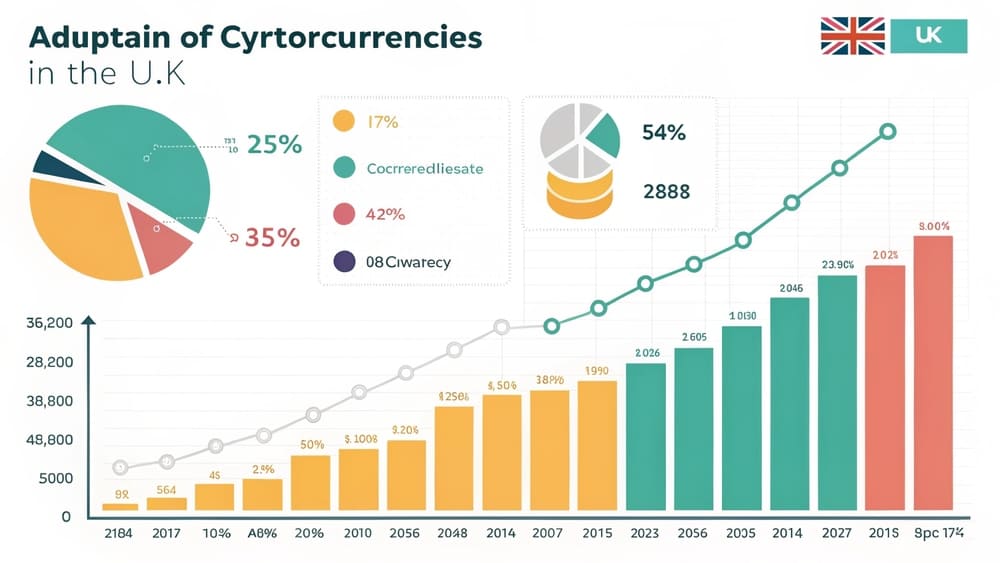
While staking can be a reliable way to earn crypto interest in the UK, it’s not entirely risk-free. Understanding the possible challenges will help you make informed decisions and protect your digital assets. This part of the staking crypto UK guide focuses on the most common risks and how to reduce them.
By following these steps, investors can continue to build passive crypto income in the UK while keeping their risk exposure under control. Responsible staking isn’t just about rewards—it’s about safety and sustainability over time.
Next, let’s compare staking with other common methods of generating passive income through cryptocurrencies and see how it stands out.
Staking is often considered one of the safest and most accessible ways to generate returns in the crypto world. But how does it compare with other forms of passive crypto income in the UK? Let’s look at the main differences and advantages.
Mining requires expensive hardware, high electricity costs, and technical setup. It’s energy-intensive and less eco-friendly. In contrast, staking uses a Proof of Stake mechanism that’s efficient and doesn’t require specialised equipment. This makes it ideal for everyday investors who want to earn crypto interest in the UK without technical barriers.
In crypto lending, users lend their assets to borrowers and earn interest. While it can be profitable, it carries counterparty risks — if a borrower defaults or a platform fails, you may lose your funds. Staking, on the other hand, supports blockchain operations directly and typically involves lower risks when using regulated platforms.
Yield farming involves providing liquidity to decentralised finance (DeFi) pools for variable returns. It can offer higher profits, but also comes with high volatility and complex smart contract risks. Staking offers more predictable, steady rewards — a key reason it’s growing rapidly among UK crypto users seeking stability.
| Method | Risk Level | Complexity | Typical Return |
|---|---|---|---|
| Crypto Staking | Low to Medium | Simple | 4–10% annually |
| Crypto Lending | Medium to High | Moderate | 5–15% annually |
| Yield Farming | High | Complex | 10–30%+ (variable) |
| Mining | Medium to High | Complex, hardware needed | Depends on electricity and setup |
From this comparison, staking offers a balance between safety and profitability. It’s particularly appealing to those seeking predictable passive crypto income in the UK without large upfront costs or technical expertise. For many UK investors, it’s the most practical entry point into the world of digital assets.
Now, let’s explore what the future holds for crypto staking in the UK and why it’s expected to play a major role in the country’s growing digital finance sector.
The future of crypto staking in the UK looks promising. As more investors look for steady ways to earn crypto interest in the UK, staking is emerging as a preferred method for generating predictable, low-risk returns. It fits perfectly with the growing demand for regulated and sustainable digital finance options.
With the Financial Conduct Authority (FCA) increasing its oversight, platforms offering staking are becoming more transparent and compliant. This not only improves user safety but also helps attract traditional investors who previously viewed crypto as too risky. In time, this could make staking one of the cornerstones of passive crypto income in the UK.
Technological advances such as Ethereum 2.0 and other next-generation Proof of Stake networks will further simplify staking. These systems consume less energy, reduce entry costs, and allow users to participate even with small amounts of crypto. For institutional investors, staking also represents a stable yield option, offering returns similar to fixed-income investments but with digital flexibility.
As the UK positions itself as a leading hub for fintech innovation, it’s likely that regulations will evolve to encourage safe crypto participation while protecting consumers. This shift may lead to new financial products and services designed around staking, making it even easier for everyday users to benefit.
In short, the combination of regulation, innovation, and investor interest ensures that staking will remain an essential part of the UK’s digital asset ecosystem for years to come.
Finally, let’s summarise what we’ve learned and how you can start using staking as a reliable, compliant way to grow your crypto portfolio.
Crypto staking has become one of the simplest and most effective ways to build passive crypto income in the UK. It allows investors to support blockchain networks while earning consistent rewards — all without needing advanced trading skills or expensive equipment. As this staking crypto UK guide has shown, success depends on making informed choices and staying compliant with regulations.
By choosing trusted, FCA-registered platforms and keeping accurate tax records, UK residents can earn crypto interest in the UK safely and legally. The key is to understand how staking works, manage risks carefully, and diversify your assets. Even modest participation can yield steady, long-term benefits when approached strategically.
As the crypto industry continues to mature, staking will likely become a mainstream financial activity — much like savings accounts or bonds in traditional finance. It offers a bridge between the old and new economies, combining accessibility, regulation, and innovation in one opportunity.
In the fast-evolving world of digital finance, staking isn’t just a trend — it’s a foundation for sustainable crypto growth in the UK.